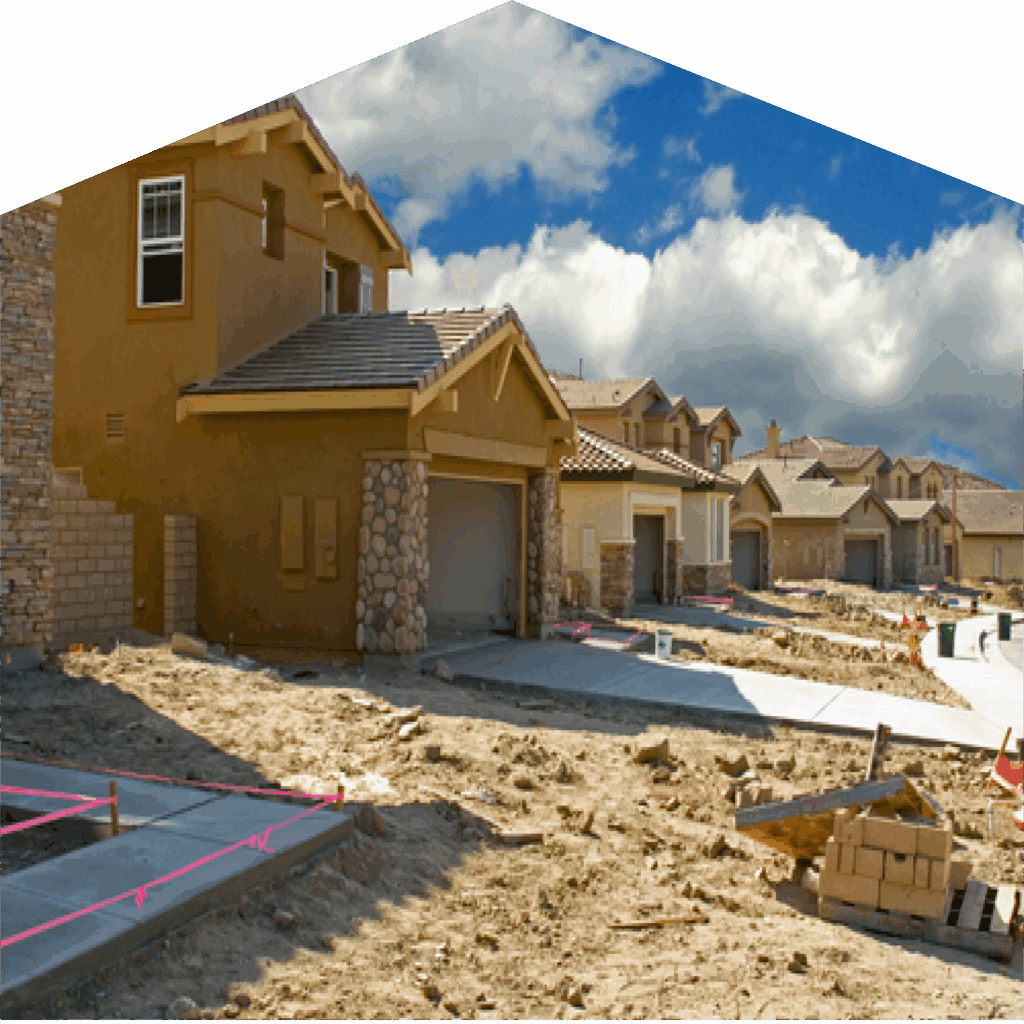
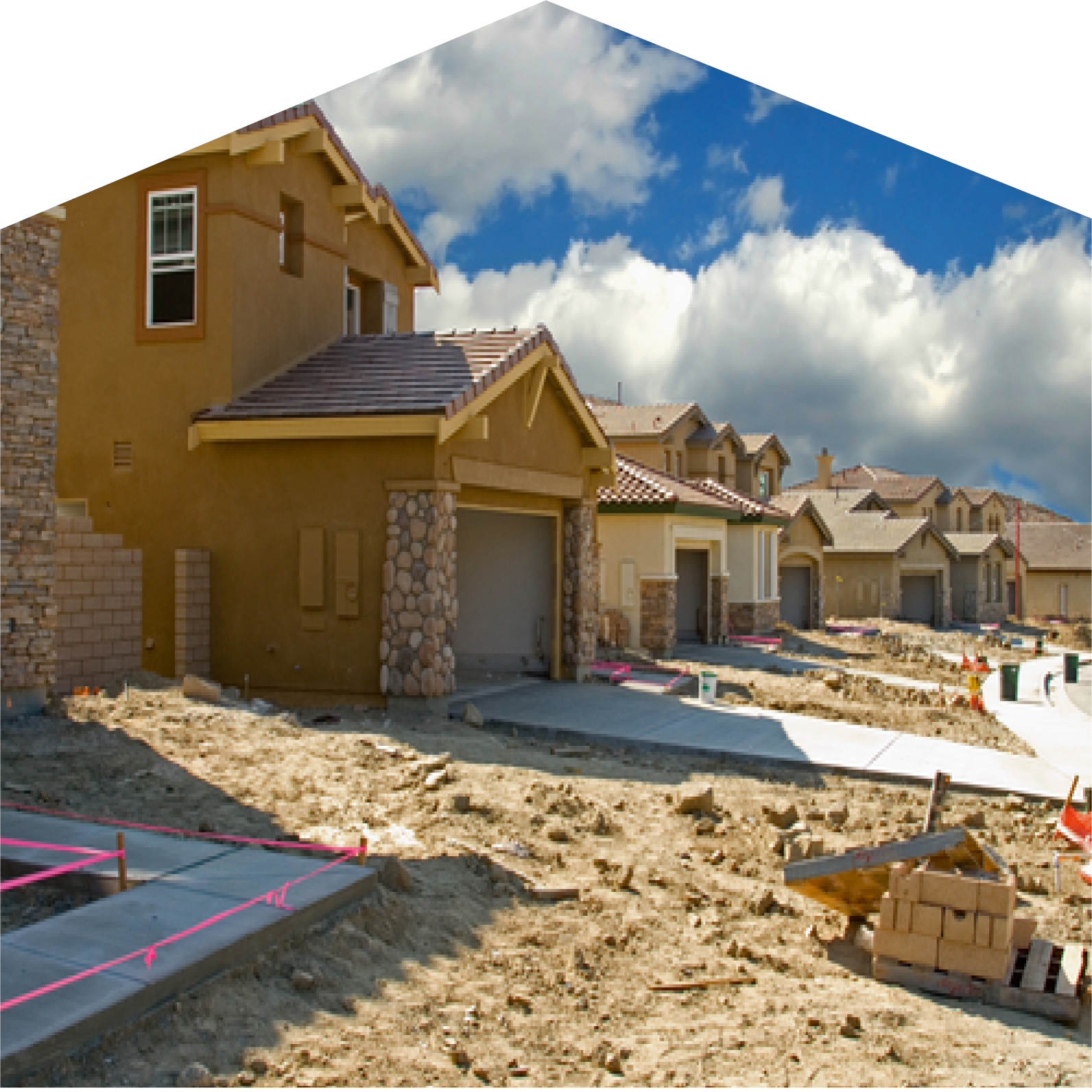

Erosion control planning is a critical step for any active construction site. Disturbing soil without proper control measures can lead to sediment discharge, stormwater runoff issues, and costly violations. At Syman Inc., we provide erosion control planning services that help contractors protect water quality, preserve topsoil, and comply with permit requirements under federal and state regulations.
An effective erosion control plan minimizes exposed soil, protects existing vegetation, and implements layered Best Management Practices designed for real site conditions. Our team develops plans that reflect how your construction project will actually operate during each construction phase, not just what looks good on paper.
The Clean Water Act prohibits the discharge of pollutants into navigable waters unless a National Pollutant Discharge Elimination System permit is obtained. Many construction sites require a stormwater pollution prevention plan to comply with NPDES permit conditions.
A stormwater pollution prevention plan is a site-specific document developed to identify potential sources of stormwater pollution and outline control measures to reduce pollutants. Without proper planning, sediment, chemicals, and runoff can flow into streams and groundwater, contributing to long-term environmental damage.
Lawsuits brought by regulatory agencies can result in fines and project shutdowns. Proper erosion control planning offers financial protection while safeguarding neighboring properties and public infrastructure.
Our erosion and sediment control planning process begins with a detailed site evaluation. We assess grading, topsoil conditions, drainage flows, access points, and areas where erosion is most likely to occur.
Each sediment control plan includes:
A location map identifying project boundaries and sensitive areas
A grading plan showing proposed contours and stormwater flows
A narrative description of each construction phase
Structural and non-structural control measures
Maintenance requirements and inspection schedules
Documentation and reporting procedures
Construction erosion control plans must clearly identify contractors responsible for implementing each measure. Inspections are required at least once every seven days and after significant precipitation events, and records must be maintained throughout operations.
Our plans address site specific conditions and include procedures to revise documentation if site operations change.
Constructing in phases reduces exposed soil and limits stormwater impacts. Our erosion control plans incorporate phased development strategies to minimize environmental risk and support regulatory compliance.
We prioritize:
Protecting natural vegetation wherever possible
Managing topsoil preservation
Reducing runoff velocity
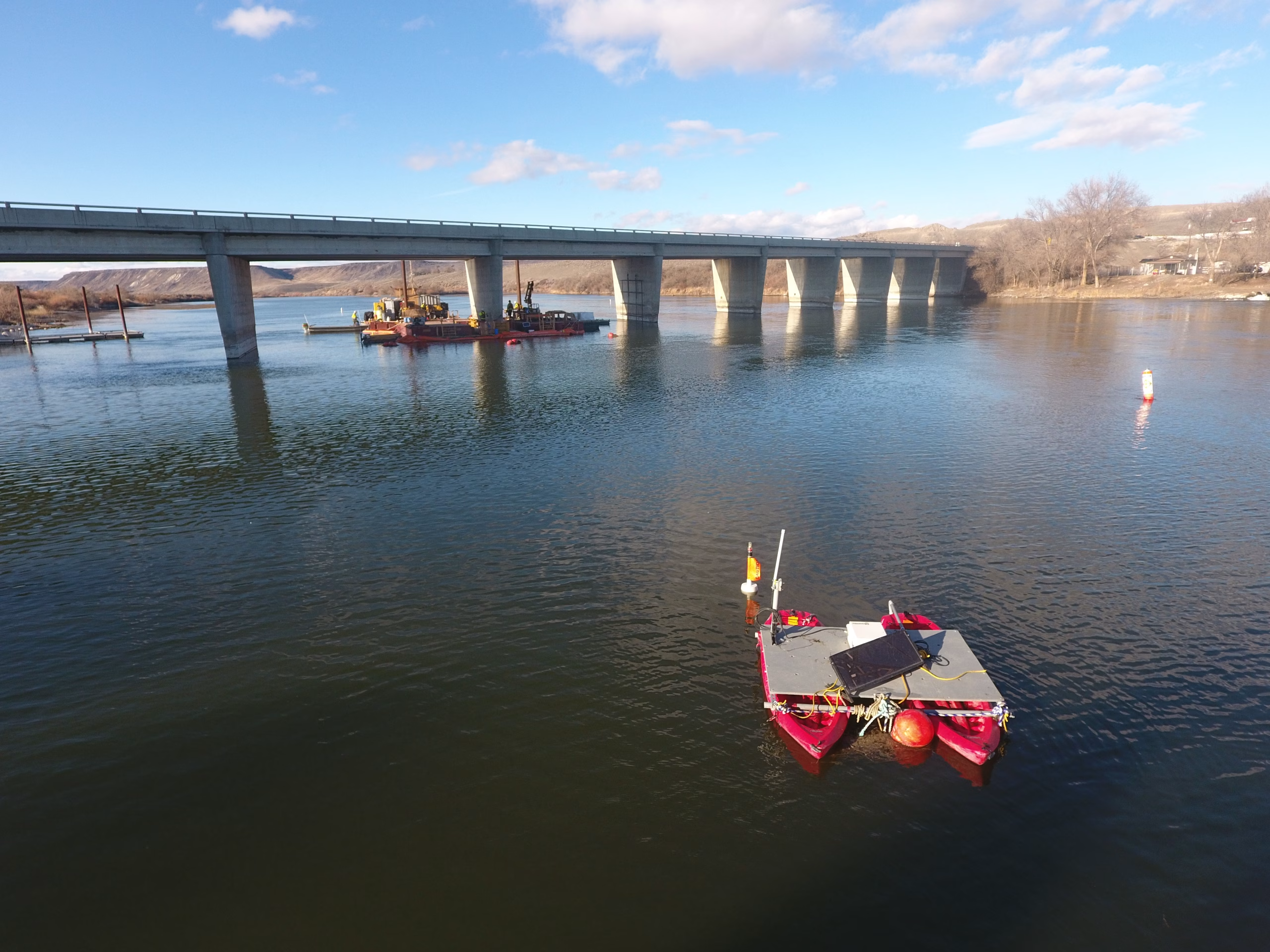
Preventing structural damage around foundations, roads, and bridges
Supporting long-term sustainability of the site
Erosion control prevents infrastructure damage, protects ecosystems, and maintains the integrity of the surrounding environment.
Syman works closely with contractors, developers, and municipalities across Idaho and the Northwest. Our erosion control planning services reflect real-world construction experience combined with deep regulatory knowledge.
We help organizations:
Identify erosion-prone areas
Develop construction erosion control plans
Integrate sediment control and SWPPP planning
Prepare documentation required for permit compliance
Conduct inspections and maintain records
Clear communication and proactive planning are central to our process. We focus on helping your team control erosion effectively while keeping your project on schedule.
Contact our team to begin developing your erosion control plan.

Our erosion control planning services are built to support active construction sites at every phase of development. We evaluate site conditions, drainage patterns, soil stability, and permit requirements to create construction erosion control plans that are clear, practical, and inspection-ready.
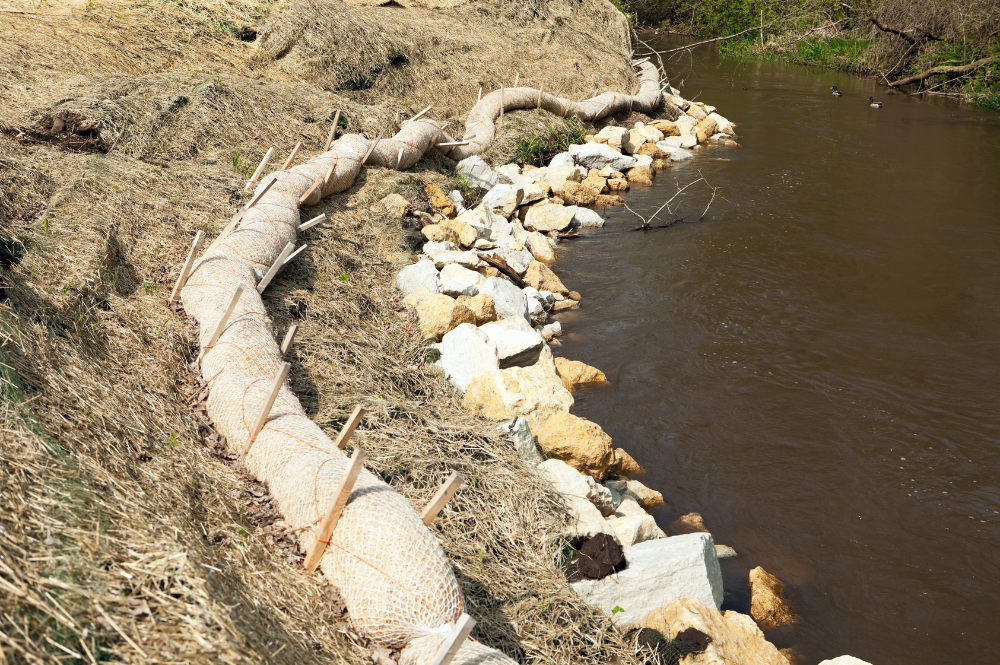
Best Management Practices are the backbone of any effective erosion and sediment control planning strategy. Our team installs structural and non-structural BMPs such as silt fences, sediment basins, inlet protection, wattles, and geotextile devices according to approved erosion control plans.

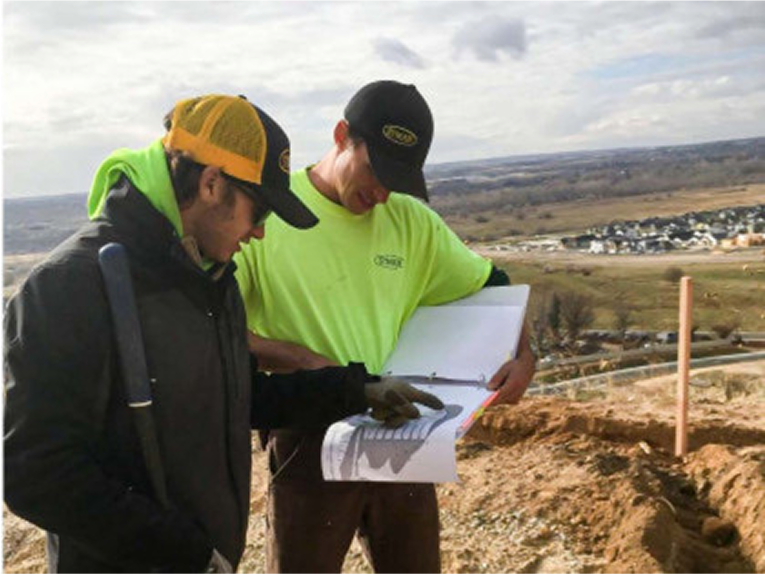
Routine site inspections are required under most stormwater permits and are a critical component of environmental compliance. Our inspection services verify that erosion control measures and sediment control devices are properly installed and functioning as designed.

Stormwater pollution prevention plans are often required before construction begins. Our SWPPP designs integrate erosion control planning, sediment control strategies, and inspection schedules into a site-specific document that satisfies NPDES permit requirements.

Beyond erosion control planning services, Syman provides additional support tailored to your project’s needs. This may include consulting on permit coordination, stabilization strategies, documentation updates, or site-specific problem solving during active construction.

We hold a broad list of specialty construction products. Go to the Products page for a full list of our inventory.
Erosion control planning is the process of developing site-specific strategies to manage soil disturbance, sediment control, and stormwater runoff during construction. Plans outline control measures, inspections, and maintenance requirements to comply with environmental regulations.
Most construction sites disturbing soil require a stormwater pollution prevention plan under NPDES permitting. A SWPPP identifies pollutants, defines BMPs, and outlines inspection procedures. We can review your site and confirm requirements.
Construction erosion control plans typically include grading maps, sediment control locations, inspection schedules, maintenance thresholds, and narrative descriptions of each construction phase and control measure.
Inspections are generally required weekly and after significant rainfall events. Documentation must be recorded and BMPs repaired promptly to maintain compliance.
Erosion control planning protects water quality, prevents sediment discharge, reduces regulatory risk, preserves topsoil, and helps construction projects avoid fines or work stoppages.